

Chicago Winters: The Commercial Roof Weak Points That Fail First (and How to Prevent Them)

Chicago winters test every inch of your commercial roofing system. When temperatures plunge, certain weak points become vulnerable and can lead to costly failures. Understanding these trouble spots helps you prevent leaks, damage, and warranty issues before the cold sets in. In this post, you’ll learn which roof components are most at risk and how proactive industrial roof maintenance keeps your facility secure through the harsh season. For more insights, check out this resource.
Common Roof Weak Points
Recognizing where your roof might fail is the first step toward keeping it strong. Certain areas are more prone to issues, especially during Chicago’s cold months.
Roof Drains and Scuppers Ice Issues
When water can’t flow properly, it freezes. Ice buildup occurs when drains and scuppers are blocked, causing weight and pressure on your roof. You’ll often see these blockages due to debris or improper slope. Regular cleaning is essential. Use a checklist to ensure nothing blocks your drains. If ice forms, melting it promptly can prevent further damage.
TPO Seam Failure in Cold Weather
TPO seams can be a weak point. They may split in cold weather, letting water seep in. Cold makes materials less flexible. To avoid this, regularly inspect seams for gaps. Apply seam tape or adhesives as needed. Address issues quickly to prevent larger problems.
PVC Flashing Repair Needs
PVC flashing protects roof edges. In cold weather, it can crack if not maintained. Regular checks for cracks or looseness keep problems at bay. Use approved repair materials for any fixes. This simple step prolongs the life of your roof.
Impact of Thermal Cycling
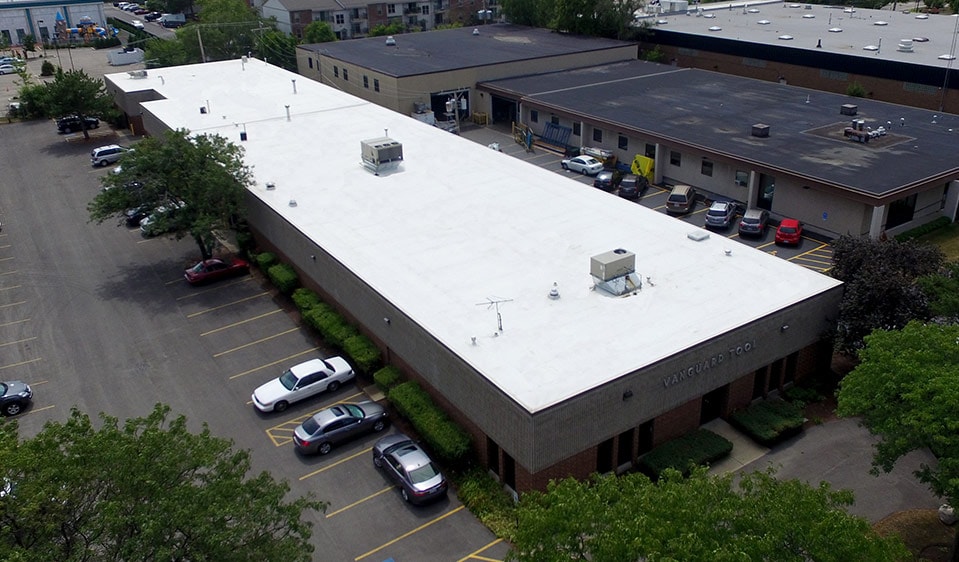
Cold weather causes thermal cycling, leading to expansion and contraction. This movement stresses roof components over time.
Freeze-Thaw Roof Leaks
Ice turns to water, then freezes again, causing leaks. This freeze-thaw cycle is harsh on your roof. Look for leaks near roof penetrations or where materials join. Regular inspections catch leaks early. Seal affected areas to stop water entry.
Coping and Perimeter Failure
Perimeter failure happens when materials can’t handle expansion and contraction. Coping caps and edges are vulnerable. Inspect these areas for loose or damaged parts. Secure loose components promptly to maintain the perimeter’s integrity.
Ponding Water and Ice Formation
Flat roofs often face ponding, where water stays put instead of draining. This can lead to ice formation. Address ponding by ensuring proper slope and drainage. Remove ice promptly to prevent damage. For more tips, visit this discussion.
Proactive Maintenance Strategies
A proactive approach helps avoid costly repairs. Winter preparation means fewer surprises and more peace of mind.
Winter Roof Inspection Chicago Tips
Regular inspections prevent many issues. In Chicago, focus on weak points like seams, flashings, and drains. Check for debris that might block drains. Look for ice buildup signs and address them immediately. Keeping these elements in check helps maintain a healthy roof.
Infrared Roof Scan and Moisture Mapping
Infrared scans spot moisture before it becomes a problem. They identify areas where water might be trapped, unseen by the naked eye. Moisture mapping helps prioritize repairs. This technology can guide your maintenance efforts effectively.
Preventive Roof Maintenance Program Benefits
A maintenance program provides regular checks and repairs, preventing small issues from growing. Programs often include inspections, minor repairs, and updates on roof health. They ensure warranty compliance and extend roof life. A structured plan keeps your roof performing well year-round.
Frequently Asked Questions
What are the most common roof weak points in winter?
Roof drains, TPO seams, and PVC flashings are critical areas to monitor during winter. Regular checks and maintenance help prevent failures.
How does thermal cycling affect my roof?
Thermal cycling causes expansion and contraction, stressing roof components. This can lead to cracks, leaks, or material failure over time.
Why is infrared scanning important?
Infrared scanning detects hidden moisture, allowing for targeted repairs. It helps identify potential problems before they cause visible damage.
What should I include in winter roof inspections?
Focus on seams, flashings, drains, and check for debris and ice buildup. Regular inspections catch issues early, preventing major repairs.
How does a maintenance program benefit my roof?
A preventive maintenance program offers regular inspections and repairs, extending your roof’s life and ensuring manufacturer warranty compliance.