


A commercial roof inspection report does more than check boxes—it tells the full story of your roof’s health. Without the right data, you risk missing hidden damage, voiding warranties, or facing costly surprises down the line. This post breaks down the must-have elements of a thorough inspection report and shows how advanced tools like drone infrared roof scans and moisture mapping turn raw info into clear, actionable plans. Let’s walk through what your next report should include to keep your facility secure and your budget predictable. For more detailed insights, you can refer to this checklist.
Essential Components of Inspection Reports
A comprehensive commercial roof inspection report provides a complete picture of your roof’s condition. It ensures you’re prepared for any potential issues and helps maintain the integrity of your facility.
Identification and Safety Notes
Every inspection begins with basic identification details and safety notes. This section includes the roof’s age, type, and installation date. Safety considerations are noted to protect both the building and inspection crew. Establishing a clear understanding of these aspects helps prioritize which areas need immediate attention. The safety notes also ensure that everyone involved is aware of potential hazards, reducing the risk of accidents during maintenance.
Membrane and Flashing Conditions
Inspecting the membrane and flashing is crucial. The membrane acts as a protective layer, while flashing seals joints and edges, preventing water intrusion. Regularly checking these components can prevent leaks and structural damage. Detailed notes on current conditions, any observed wear or punctures, and recommendations for repairs enhance the report’s value. By catching these issues early, you avoid costly repairs and extend the roof’s lifespan.
Moisture Mapping and Infrared Scans
Moisture mapping and infrared scans are vital for detecting hidden issues. These tools reveal moisture trapped beneath the surface that could lead to decay or mold. Infrared thermography roofing technology pinpoints these areas accurately, allowing targeted repairs. Including this data in your report helps prioritize urgent repairs and plan for future maintenance. It’s a proactive approach to maintaining roof health.
Advanced Diagnostic Techniques
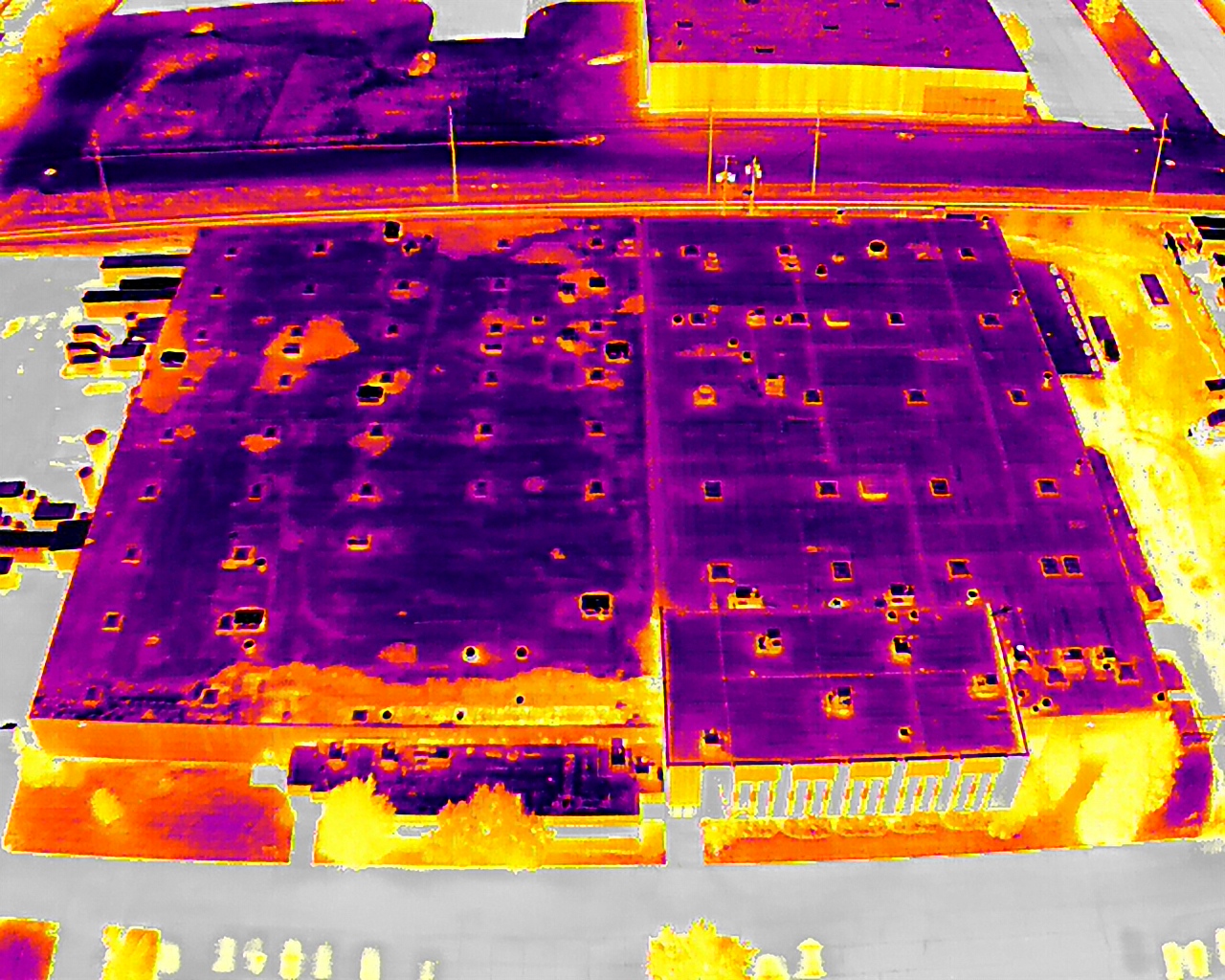
Advanced diagnostic techniques elevate the quality of your roof inspection. They provide deeper insights into potential problems, ensuring you’re always one step ahead.
Drone Infrared Roof Scans
Drone technology has revolutionized roof inspections. A drone infrared roof scan offers a bird’s-eye view of the entire roof, capturing high-resolution images and thermal data. This method is not only fast but also safe, eliminating the need for inspectors to physically access potentially hazardous areas. The resulting data is comprehensive, providing clear visuals of the roof’s current state. This technology ensures no area is overlooked, enhancing the accuracy of your inspection report.
Moisture Mapping Insights
Moisture mapping offers invaluable insights into your roof’s health. It identifies areas with excessive moisture, which can lead to serious problems if left unaddressed. By using specialized equipment, inspectors can map out these areas precisely. This data enables you to address moisture issues before they escalate, protecting your investment and maintaining the structural integrity of your building. With these insights, you can take action, avoiding the costly consequences of water damage.
Structural Observations and Core Tests
Structural observations and core tests provide a detailed look at the roof’s condition. Inspectors examine the roof’s structural components, checking for any signs of wear or damage. Core tests involve extracting samples from the roof to assess its layers and materials. This information is crucial for understanding the roof’s durability and identifying any underlying issues. Including these observations and tests in your report ensures you have a complete picture of your roof’s health.
Long-term Roof Asset Management
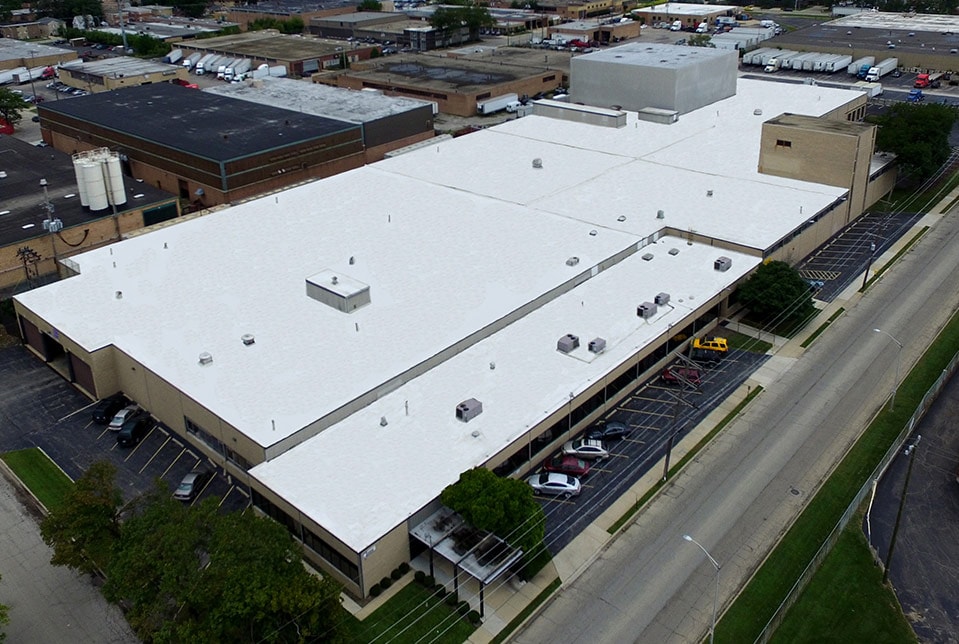
Managing your roof as a long-term asset is essential for maximizing its lifespan and minimizing costs. Implementing a proactive approach ensures your roof remains in optimal condition.
Preventative Maintenance Program
A preventative maintenance program is key to extending your roof’s lifespan. Regular inspections and minor repairs prevent small issues from becoming major problems. These programs provide a structured plan for maintaining your roof, reducing the risk of unexpected repairs. By enrolling in such a program, you can ensure your roof receives the attention it needs to stay in top condition, ultimately saving you money and hassle in the long run.
Capital Planning and Repair Prioritization
Capital planning involves budgeting for future repairs and replacements. A thorough roof inspection report aids this process by highlighting areas that need immediate attention and those that can be addressed later. Prioritizing repairs based on urgency and potential impact helps allocate resources effectively. This strategic approach ensures your roofing budget is used wisely, focusing on the most critical needs first.
Warranty Compliance and Risk Assessment
Ensuring warranty compliance is crucial to protecting your investment. Regular inspections and maintenance are often required to keep warranties valid. A detailed inspection report provides the documentation needed to demonstrate compliance. Additionally, assessing risks associated with your roof helps mitigate potential issues before they arise. This proactive approach minimizes the likelihood of costly repairs and extends the life of your roof.
Frequently Asked Questions
What is included in a commercial roof inspection report?
A commercial roof inspection report typically includes identification details, safety notes, membrane and flashing conditions, moisture mapping, infrared scan results, structural observations, and core tests. These components provide a comprehensive overview of the roof’s health.
How does drone technology improve roof inspections?
Drone technology improves roof inspections by providing high-resolution images and thermal data from a bird’s-eye view. It enhances safety by eliminating the need for inspectors to access hazardous areas and ensures no part of the roof is overlooked.
Why is moisture mapping important in roof inspections?
Moisture mapping is important because it identifies areas with excessive moisture that could lead to structural damage if not addressed. It provides precise data, allowing for targeted repairs and proactive maintenance to protect the roof and the building.