

How to Read a Commercial Roof Inspection Report When Hidden Moisture Is the Real Concern

Hidden moisture can silently erode your building’s roof, causing costly damage long before visible signs appear. Reading a commercial roof inspection report with moisture mapping and infrared thermography data can reveal these concealed threats. Knowing what to look for helps you make sound, ROI-driven decisions that protect your asset and extend roof life. Let’s break down how to interpret these reports so you stay ahead of potential problems. For more information on moisture mapping, visit https://disasteradjusting.com/moisture-mapping/.
Understanding Roof Inspection Reports
Understanding roof inspection reports is crucial for maintaining your building’s integrity. Let’s dive into the first step: knowing what to look for in these reports.
Key Elements to Look For
First, ensure you have a clear grasp of the report’s layout. Key elements include roof condition, problem areas, and recommended actions. Inspect for detailed descriptions of current issues and any past repairs. Each section provides vital data about your roof’s condition and future needs. Look for specifics like moisture levels and areas needing immediate attention. Remember, a well-detailed report should guide you in making informed decisions about maintenance and repairs.
Importance of Moisture Detection
The primary concern in roof inspections is often moisture detection. Moisture can cause significant damage if left unchecked. Detecting it early prevents costly repairs and prolongs your roof’s life. Reports should highlight areas with potential moisture issues. Using advanced tools such as infrared thermography, these inspections pinpoint hidden moisture, saving you from unexpected surprises. By understanding moisture levels, you can plan proactive measures to ensure your roof remains in top condition.
Common Moisture Indicators
Common indicators of moisture problems include discolored patches, soft spots, or mold growth. These signs mean moisture has infiltrated the roofing material, weakening its structure. Check for stains or watermarks on the ceiling, as they often signal leaks. Regular inspection reports help identify these issues early, preventing them from escalating. By recognizing these indicators, you can act swiftly, securing your building from further damage.
Techniques to Detect Hidden Moisture
Various techniques exist to uncover hidden moisture, each offering unique insights. Let’s explore some of the most effective methods used in the industry today.
Infrared Thermography Explained
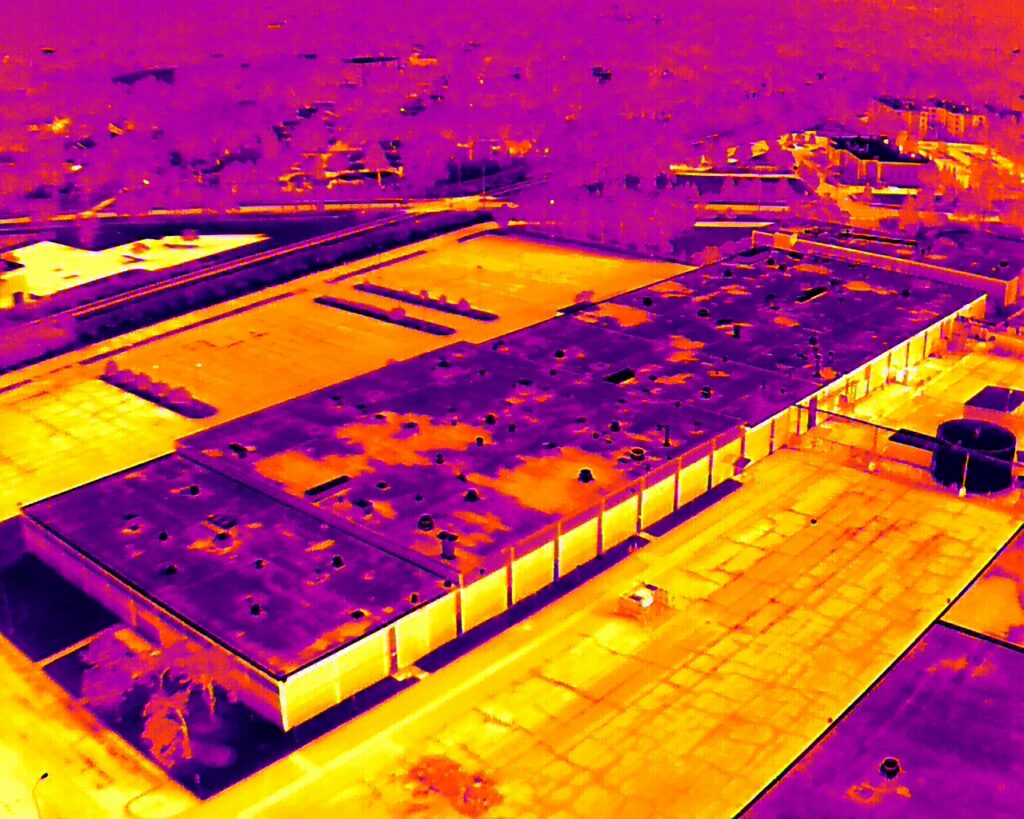
Infrared thermography is a powerful tool in moisture detection. It captures thermal images, identifying temperature variations across the roof. Areas with hidden moisture often appear cooler due to evaporation, making them easy to spot. This method is non-invasive, providing accurate results without disrupting the roof’s surface. By using infrared technology, you gain a clearer picture of your roof’s health, allowing for targeted repairs and maintenance.
Benefits of Moisture Mapping
Moisture mapping offers a comprehensive view of your roof’s condition. It involves detailed surveys that reveal moisture distribution and intensity. This data helps prioritize repairs, ensuring resources are directed where needed most. Moisture mapping provides a visual representation, making it easier to understand where attention is required. By incorporating this technique, you can effectively manage your roof’s integrity and extend its lifespan.
Using Drone Inspections in Chicago
Drone inspections are revolutionizing the roofing industry, especially in urban areas like Chicago. Drones provide a bird’s-eye view of your roof, capturing high-resolution images and videos. This method is efficient, covering large areas quickly, and is ideal for hard-to-reach spots. With drone technology, inspections become more thorough, spotting issues invisible from the ground. Utilizing drone inspections ensures comprehensive assessments, keeping your roof in top shape.
Steps for Moisture Remediation
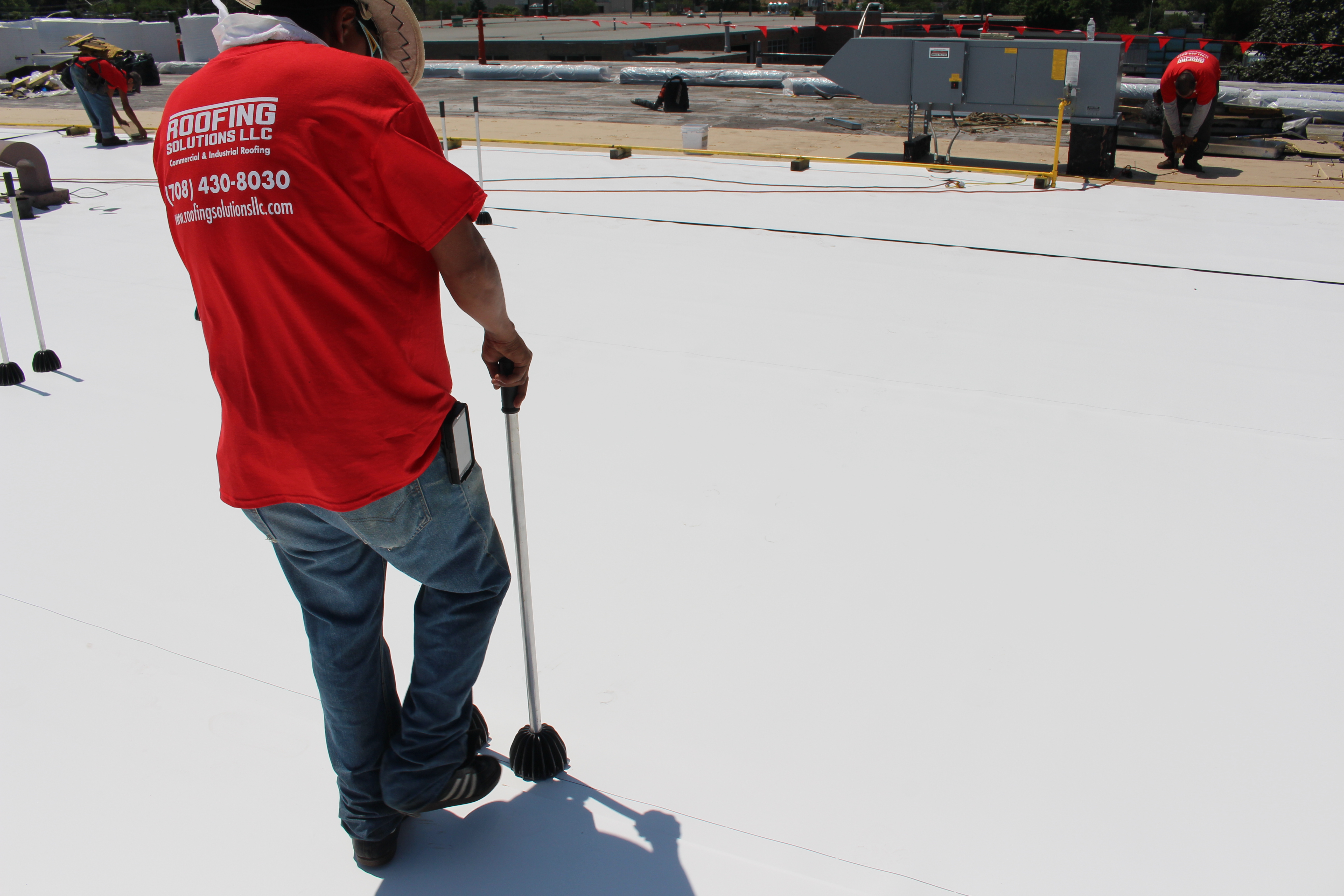
Once moisture issues are detected, it’s vital to address them promptly. Here are steps to effectively remediate moisture problems.
Analyzing Roof Core Samples
Analyzing roof core samples is a direct method to assess moisture content. By extracting small sections of the roof, you gain insight into the extent of moisture damage. This analysis helps understand the roof’s current condition, guiding necessary repairs. Core samples reveal the layers affected, ensuring repairs target the root cause. By examining these samples, you can make informed decisions on the best remediation strategies.
Implementing Preventive Maintenance
Preventive maintenance is key to avoiding future moisture issues. Regular inspections and upkeep keep your roof in optimal condition, preventing problems from arising. Schedule periodic checks to identify potential issues early. Routine maintenance includes cleaning, minor repairs, and ensuring drainage systems function properly. By being proactive, you save on costly repairs and ensure your roof remains durable for years to come.
Leveraging the Solution One Program
The Solution One Program offers a structured approach to roof maintenance. It includes regular inspections, detailed reports, and tailored maintenance plans. This program ensures your roof receives consistent attention, preventing moisture problems. By leveraging this program, you benefit from expert guidance and support, maintaining your roof’s integrity. The Solution One Program is designed to protect your investment and prolong your roof’s lifespan.
Frequently Asked Questions
What should I look for in a roof inspection report?
Focus on the roof’s condition, problem areas, and recommended actions. Look for moisture levels and any signs of past repairs or issues.
Why is moisture detection important in roof inspections?
Moisture can cause severe damage if left unchecked. Early detection prevents costly repairs and extends the roof’s life.
What are common indicators of moisture problems?
Discoloration, soft spots, and mold growth are typical signs. Ceiling stains or watermarks also indicate potential leaks.
How does infrared thermography help in moisture detection?
It captures thermal images, identifying cooler areas where moisture is present. This non-invasive method provides accurate results.
What benefits does moisture mapping offer?
It reveals moisture distribution and intensity, helping prioritize repairs and manage roof integrity effectively.