

Repair, Monitor, or Replace? A Data-Driven Framework for Commercial Roof Decisions in Chicagoland

Most commercial roofs show signs of wear long before a full replacement becomes necessary. If you’re managing a large building in the Chicagoland area, you likely face the tough choice: repair, monitor, or replace? Using data from drone roof inspection Chicago technology, infrared roof scans, and moisture mapping roof diagnostics, you can make decisions that protect your budget and extend your roof’s life. This guide breaks down how to use these insights to plan maintenance or replacement with confidence.
Data-Driven Roof Decision Making
Understanding Roof Diagnostics
Roof diagnostics can offer clear insights into the condition of your roof. Using drone and infrared technology, we can pinpoint issues that aren’t visible to the naked eye. This means you get detailed information about potential problems, allowing for more informed decision-making.
Drone inspections capture high-resolution images of your roof, identifying visible damage or wear. Infrared scans go deeper, revealing moisture trapped beneath the surface. This moisture can lead to structural damage if not addressed promptly. With these tools, you can see exactly where your roof stands in terms of health and longevity.
Moisture mapping adds another layer of precision. By identifying areas where water accumulates, you can prioritize repairs and plan for long-term maintenance. This approach not only saves money but also extends the life of your roof by addressing issues before they escalate.
Lifecycle Planning Insights
Planning for the lifecycle of your roof is crucial for budgeting and maintenance. Understanding when to repair, replace, or monitor your roof can prevent surprise expenses. By mapping out the likely timeline of your roof, you can prepare financially for upcoming needs.
A well-executed lifecycle plan includes regular inspections and scheduled maintenance. This proactive approach helps catch small issues early, preventing them from becoming costly problems. Additionally, by tracking the wear and tear over time, you can anticipate when a full replacement will be necessary.
The key takeaway is that lifecycle planning empowers you to manage costs effectively and avoid unexpected disruptions. With a clear plan in place, you can ensure that your roof remains functional and safe for years to come.
Warranty Considerations Explained
Understanding your roof’s warranty is essential for informed decision-making. Many roofs come with No Dollar Limit (NDL) warranties, providing robust protection against future issues. Knowing the terms and conditions of these warranties can save you money and stress in the long run.
An NDL warranty covers the full replacement cost if a covered issue arises. This can be a significant financial safeguard for building owners. By adhering to the maintenance requirements outlined in the warranty, you ensure continued coverage and peace of mind.
It’s also important to know what is not covered. For instance, neglecting routine maintenance might void your warranty. Therefore, staying informed about your warranty details helps you maintain coverage and avoid unexpected costs.
Evaluating Repair or Replacement
When to Opt for Repairs
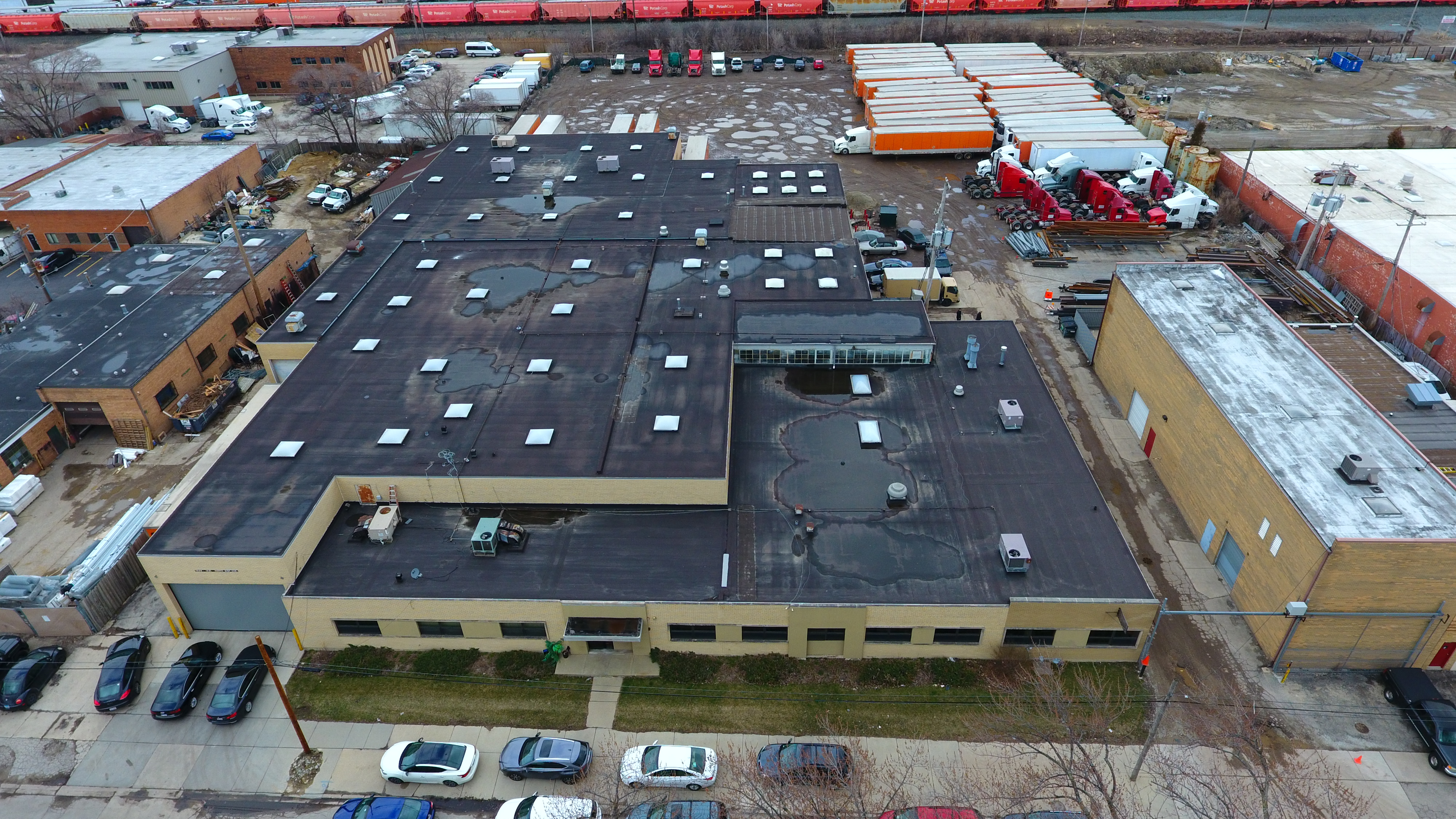
Choosing when to repair rather than replace hinges on precise diagnostics. If your roof shows only minor damage, repairs can be a cost-effective solution. This is where technology becomes invaluable, pinpointing exactly where your roof needs attention.
Repairs are suitable when issues like small punctures or tears are localized. Addressing these promptly prevents them from escalating and causing more significant damage. The goal is to extend the life of your roof without the immediate need for a costly replacement.
Choosing repairs also means leveraging existing warranties and ensuring they remain intact. Regular maintenance, as recommended, keeps your warranty active and your roof in peak condition, ensuring longevity and reliability.
Signs a Replacement is Needed
A full replacement becomes necessary when repairs no longer suffice. If your roof suffers from widespread damage, or if moisture mapping reveals extensive trapped water, it’s time to consider replacement. These signs indicate potential structural risks that demand attention.
Replacement may also be the best option if your roof is nearing the end of its expected lifespan. An aging roof can pose risks not only to the structure but also to the safety of the building’s occupants. Investing in a new roof can enhance safety, efficiency, and value.
A strategic replacement, supported by diagnostics like infrared scans, ensures your new roof is installed with precision. This proactive step reduces future risks and aligns with lifecycle planning, making sure your building remains protected.
Benefits of Proactive Monitoring
Proactive monitoring keeps small problems from turning into big ones. By regularly scheduling inspections and maintenance, you can catch issues early and address them efficiently. This approach not only saves money but also extends the life of your roof.
Monitoring involves using tools like moisture mapping and drone inspections to keep tabs on your roof’s condition. These technologies provide a clear picture of where your roof stands, helping you make informed decisions about repairs and replacements.
By investing in a preventive roof maintenance program, you ensure that your roof remains in optimal condition. This commitment to regular care not only protects your investment but also provides peace of mind, knowing your building is secure.
Technology in Roof Maintenance
Drone and Infrared Scans
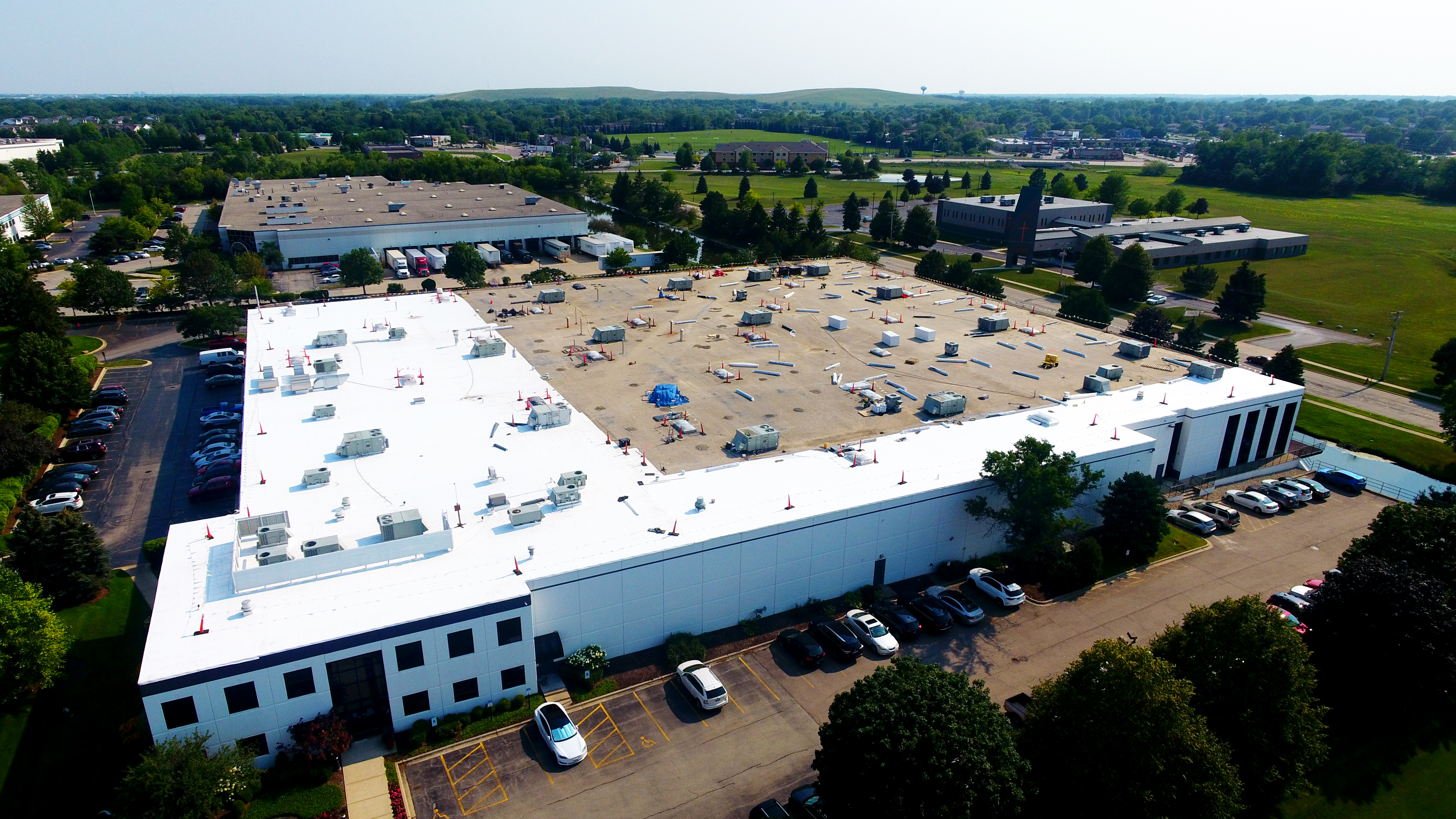
Drone and infrared scans revolutionize how we assess roofs. These tools provide detailed imagery and thermal data that reveal hidden issues, ensuring no problem goes unnoticed. With these technologies, roof inspections are more accurate and less intrusive than ever.
Drones capture high-resolution images of your roof, identifying areas of visible wear and damage. Infrared scans go a step further, detecting moisture and heat anomalies that indicate underlying issues. Together, they offer a comprehensive view of your roof’s health.
This technology-driven approach not only enhances the accuracy of assessments but also speeds up the inspection process. With fast, reliable data, you can quickly decide on repairs or replacements, minimizing disruption to your operations.
Moisture Mapping Techniques
Moisture mapping is crucial for effective roof maintenance. This technique identifies areas where water collects, highlighting potential risks before they cause damage. By understanding these patterns, you can prioritize interventions and prevent costly repairs down the line.
The process involves using infrared technology to detect moisture beneath the roof’s surface. This data helps create a detailed map of vulnerable areas, allowing for targeted repairs. By addressing these spots early, you protect your roof’s integrity and extend its life.
Moisture mapping empowers you to make informed decisions, reducing the likelihood of unexpected problems. By incorporating this technique into your maintenance routine, you ensure your roof remains robust and reliable.
Solution One Maintenance Benefits
The Solution One maintenance program offers a structured approach to roof care. With options for annual, semi-annual, or quarterly inspections, you can choose a plan that fits your needs. This program ensures your roof receives the attention it deserves, reducing the risk of unexpected failures.
Each tier of the program includes detailed condition reports, minor repairs, and debris clearing. This comprehensive care ensures that small issues are addressed promptly, preventing them from escalating. Regular maintenance also keeps your warranty intact, safeguarding your investment.
By choosing Solution One, you invest in the long-term health of your roof. This proactive approach not only extends its lifespan but also offers peace of mind, knowing your building is protected.
Frequently Asked Questions
What is the benefit of using drone and infrared scans for roof inspections?
Drone and infrared scans provide a thorough and non-intrusive way to assess the condition of your roof. They reveal hidden damage and moisture issues, ensuring accurate and reliable inspections.
How does moisture mapping help in maintaining a roof?
Moisture mapping identifies areas where water accumulates, allowing you to address potential problems before they cause significant damage. It helps prioritize repairs and extends the roof’s lifespan.
When should I consider replacing my commercial roof?
Consider replacing your roof if it has extensive damage, trapped moisture, or is nearing the end of its lifespan. Replacement can enhance safety and efficiency, aligning with long-term planning.
What are the advantages of a proactive maintenance program?
A proactive maintenance program, like Solution One, catches problems early, prevents costly repairs, and keeps your warranty active. It ensures your roof remains in optimal condition and extends its life.
How do NDL warranties benefit commercial building owners?
NDL warranties cover the full replacement cost for covered issues, providing financial protection and peace of mind. They encourage regular maintenance to maintain coverage and avoid unexpected expenses.